The Idea of Cultural Heritage
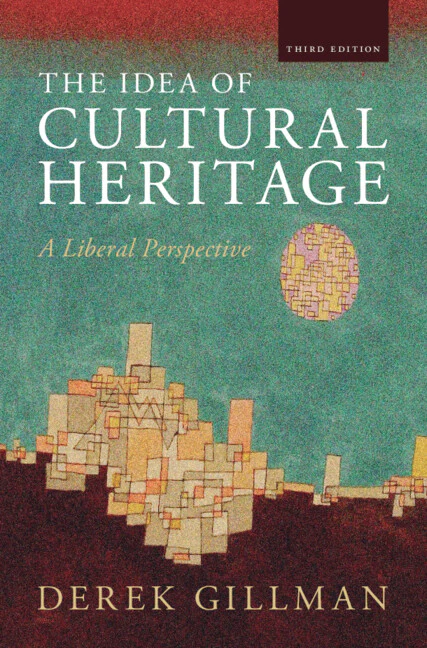
The concept of cultural heritage evolved to preserve important objects and practices, in peacetime and during conflict. It now justifies export controls and government regulation and provides the background to moral claims to valuable works of art and architecture. In this new edition of The Idea of Cultural Heritage, Derek Gillman provides an updated overview of both long-standing and more recent controversies over cultural things. In the last decade, these have been further charged not only by accelerating calls for the repatriation of materials from Western museums to countries of origin, but also by institutional acknowledgement of European colonisation, and the reimagination of displays at museums and historic sites. Using cases from Asia, Africa, Europe and North America, Gillman provides a critical analysis of whether cosmopolitan or nationalist concerns should take priority in adjudicating cultural disputes, mapping the heritage debate onto positions in contemporary political philosophy and reframing it within a discussion of basic values.
- A culturally wide-ranging study, this book examines cases from Asia, Europe, Africa and North America
- Volume is framed by discussion of basic values and valuable practices, which helps readers understand what is valued within a particular culture
- Links cultural heritage debate and political philosophy, which further deepens the cultural heritage debate for academics and practitioners
The concept of cultural heritage evolved to preserve important objects and practices, in peacetime and during conflict. It now justifies export controls and government regulation and provides the background to moral claims to valuable works of art and architecture. In this new edition of The Idea of Cultural Heritage, Derek Gillman provides an updated overview of both long-standing and more recent controversies over cultural things. In the last decade, these have been further charged not only by accelerating calls for the repatriation of materials from Western museums to countries of origin, but also by institutional acknowledgement of European colonisation, and the reimagination of displays at museums and historic sites. Using cases from Asia, Africa, Europe and North America, Gillman provides a critical analysis of whether cosmopolitan or nationalist concerns should take priority in adjudicating cultural disputes, mapping the heritage debate onto positions in contemporary political philosophy and reframing it within a discussion of basic values.
- A culturally wide-ranging study, this book examines cases from Asia, Europe, Africa and North America
- Volume is framed by discussion of basic values and valuable practices, which helps readers understand what is valued within a particular culture
- Links cultural heritage debate and political philosophy, which further deepens the cultural heritage debate for academics and practitioners
Original: $33.84
-65%$33.84
$11.84Description
The concept of cultural heritage evolved to preserve important objects and practices, in peacetime and during conflict. It now justifies export controls and government regulation and provides the background to moral claims to valuable works of art and architecture. In this new edition of The Idea of Cultural Heritage, Derek Gillman provides an updated overview of both long-standing and more recent controversies over cultural things. In the last decade, these have been further charged not only by accelerating calls for the repatriation of materials from Western museums to countries of origin, but also by institutional acknowledgement of European colonisation, and the reimagination of displays at museums and historic sites. Using cases from Asia, Africa, Europe and North America, Gillman provides a critical analysis of whether cosmopolitan or nationalist concerns should take priority in adjudicating cultural disputes, mapping the heritage debate onto positions in contemporary political philosophy and reframing it within a discussion of basic values.
- A culturally wide-ranging study, this book examines cases from Asia, Europe, Africa and North America
- Volume is framed by discussion of basic values and valuable practices, which helps readers understand what is valued within a particular culture
- Links cultural heritage debate and political philosophy, which further deepens the cultural heritage debate for academics and practitioners